

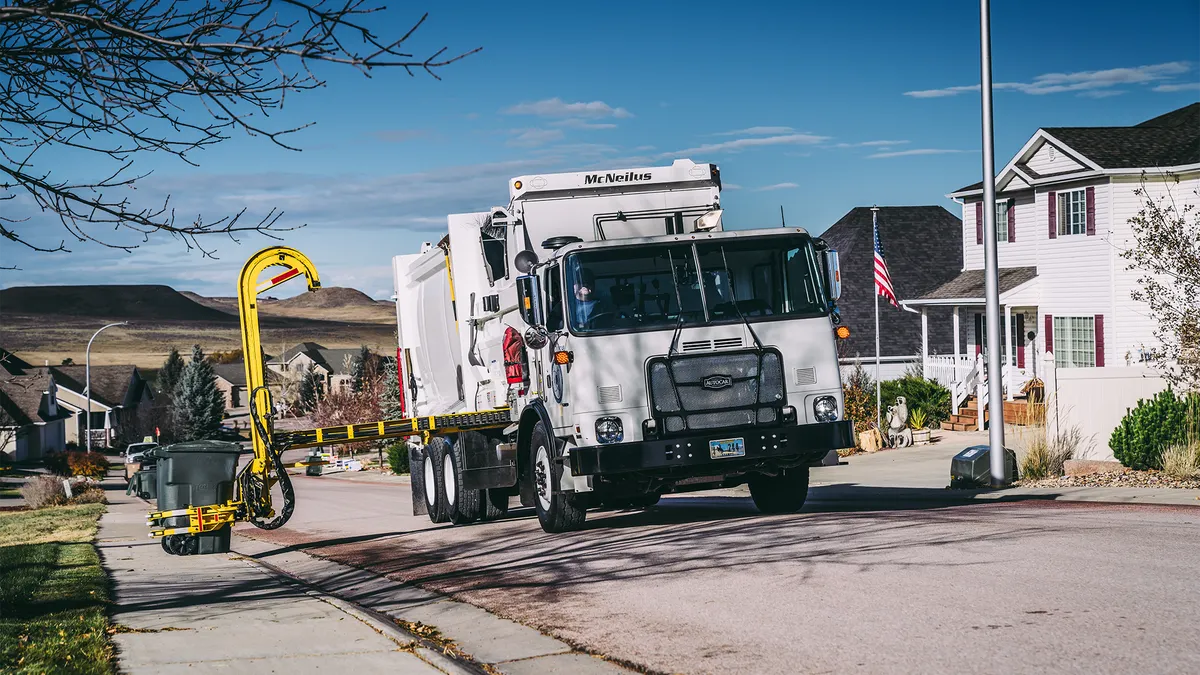
Residential waste collection involves a wide variety of operating conditions. A route may pass through narrow streets, suburban neighborhoods, apartment communities, and areas with heavy traffic or limited curbside access. Collection vehicles must handle these conditions while maintaining safe operations and dependable schedules.
Selecting the right refuse truck requires more than comparing prices or body capacities. Fleet managers need to consider container types, collection frequency, route length, maneuverability, operator requirements, and maintenance support. McNeilus side loaders offer several configurations that can be evaluated against these needs.
Start With the Route Layout
Before choosing a truck, examine the physical characteristics of the collection area. Street width, turning space, parked vehicles, cul-de-sacs, overhead obstructions, and the location of waste carts all influence vehicle suitability.
A route with narrow streets and limited clearance may require a different arm design from a route with open roads and predictable cart placement. Managers should review difficult locations rather than basing the decision only on average route conditions.
It is also useful to identify the number of stops, expected collection time, and typical travel distance. This information helps determine whether the proposed truck can support the planned workload without creating unnecessary delays.
Understand the Available Side Loader Options
McNeilus offers multiple side loader configurations, including Zero Radius, AutoReach, and Manual/Automated models. Each has a different approach to handling containers and route challenges.
The Zero Radius design is intended to help operators collect carts where restricted clearance makes a wide arm swing difficult. AutoReach features a lifting arm designed to reach outward and side-to-side. The Manual/Automated model combines an automated arm with a manual loading arrangement for certain additional materials.
When evaluating McNeilus side loaders, compare the available options with the actual demands of the residential route. The best choice depends on container compatibility, collection procedures, vehicle dimensions, and the physical environment.
Match the Truck to the Containers
A collection truck must be suitable for the carts or containers used by the community. Fleet managers should verify cart size, lifting interface, typical loaded weight, and the positioning requirements for the selected equipment.
Residents can also affect collection efficiency through cart placement. Containers that are blocked by parked cars, placed too close together, or positioned outside the approved collection area may require extra maneuvers or prevent a safe pickup.
Clear collection guidelines can help residents present carts consistently. Municipalities and private haulers may improve route performance by communicating collection-day requirements and addressing locations where access problems occur repeatedly.
Consider Capacity and Vehicle Weight
Body capacity matters because the truck must handle the expected waste volume over the route. However, body volume alone does not determine how much waste a vehicle can legally or safely carry. Payload limits, chassis weight, axle ratings, and the density of the collected material must also be considered.
A truck that fills too quickly may require additional trips or changes to collection schedules. Conversely, a larger configuration may not be necessary for a route with lower waste volumes or restricted access.
Fleet managers should compare typical and peak loads and verify the manufacturer’s specifications for the chosen truck. They should also confirm that the vehicle meets applicable road and weight regulations.
Evaluate Operator Safety and Workload
Residential routes bring collection vehicles close to pedestrians, cyclists, parked vehicles, and moving traffic. Operators need clear procedures for positioning the truck, using the lifting equipment, and responding to obstacles.
Automated side loaders can reduce the need for drivers to leave the cab for each compatible cart, but automation does not remove the need for awareness and training. Drivers must understand the controls, maintain appropriate visibility, and stop operations when conditions are unsafe.
If the route includes extra materials that require manual handling, managers should establish safe handling procedures and ensure workers understand their responsibilities. Training should be specific to the truck and its equipment.
Plan for Maintenance and Vehicle Availability
A residential collection schedule depends on having suitable trucks available when routes begin. Unexpected breakdowns can require route reassignment, delay service, and increase costs. Preventive maintenance helps fleet managers monitor vehicle condition and plan service before problems become more disruptive.
Inspections should cover the truck’s chassis systems, tires, brakes, lights, hydraulic equipment, lifting arm, and packing system according to manufacturer guidance. Drivers should report unusual movement, fluid leaks, warning indicators, and other defects promptly.
Maintenance teams should document repairs and review repeated problems. Accurate records can support better budgeting and help identify components that require further investigation.
Check Parts and Service Support Before Buying
Service support is an important part of the total ownership decision. Fleet managers should understand how to obtain replacement parts, arrange repairs, and access technical assistance for their selected configuration.
Atlantic Heavy Duty provides information about McNeilus side loaders and parts support for refuse vehicles. Buyers should confirm availability in their area and discuss maintenance requirements, warranty conditions, and service arrangements before purchasing.
It is helpful to prepare truck identification details and keep maintenance records organized. These steps can make communication with service personnel more efficient when assistance is needed.
Plan for Future Collection Needs
Residential communities can change over time. New housing developments, changes in waste collection policy, different cart sizes, or increased service demand may alter route requirements.
Managers should consider these possibilities when selecting equipment. They may also evaluate whether future route changes could support different vehicle configurations or new technologies. Any investment should be based on practical needs, available infrastructure, and the fleet’s financial plan.
Conclusion
Choosing the right McNeilus side loader for residential waste collection requires a clear understanding of route conditions, container requirements, capacity, safety, and maintenance. Zero Radius, AutoReach, and Manual/Automated models offer different approaches to collection challenges, but their suitability depends on the work they will perform.
By reviewing route data, verifying specifications, training operators, and planning for ongoing service, fleet managers can make more informed purchasing decisions. Atlantic Heavy Duty can be a resource for evaluating available McNeilus configurations and understanding parts and support options.